







模組化設計
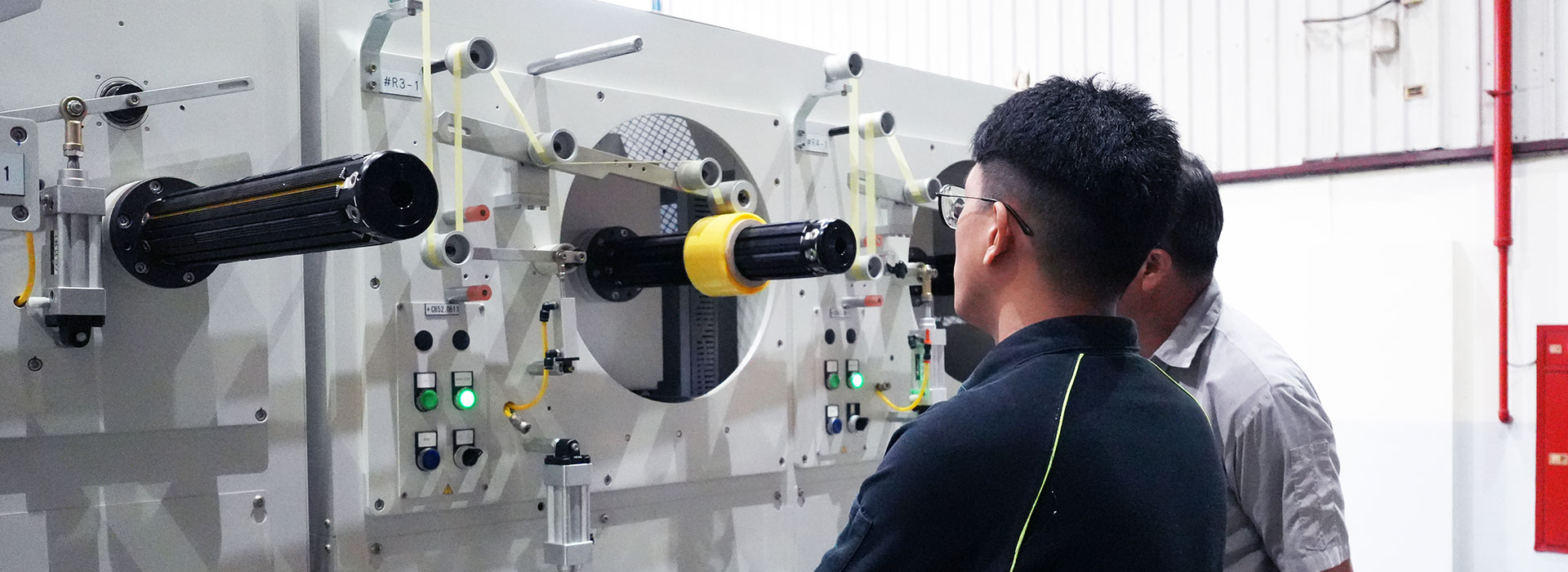
常青以原廠技術提供售後技術服務,涵蓋定期保養、設備升級改造與模組化系統整合,保障您的設備投資效益,確保分條產線持續穩定運行。
模組類別
-
製程功能模組
依材料特性與製程需求彈性配置:放捲導邊裝置、走料張力區、分切刀式、邊料收捲及成品複捲。各模組組合成完整分條複捲機,匹配指定分切幅寬範圍、成品外徑與線速目標。 -
放捲與纏繞模組
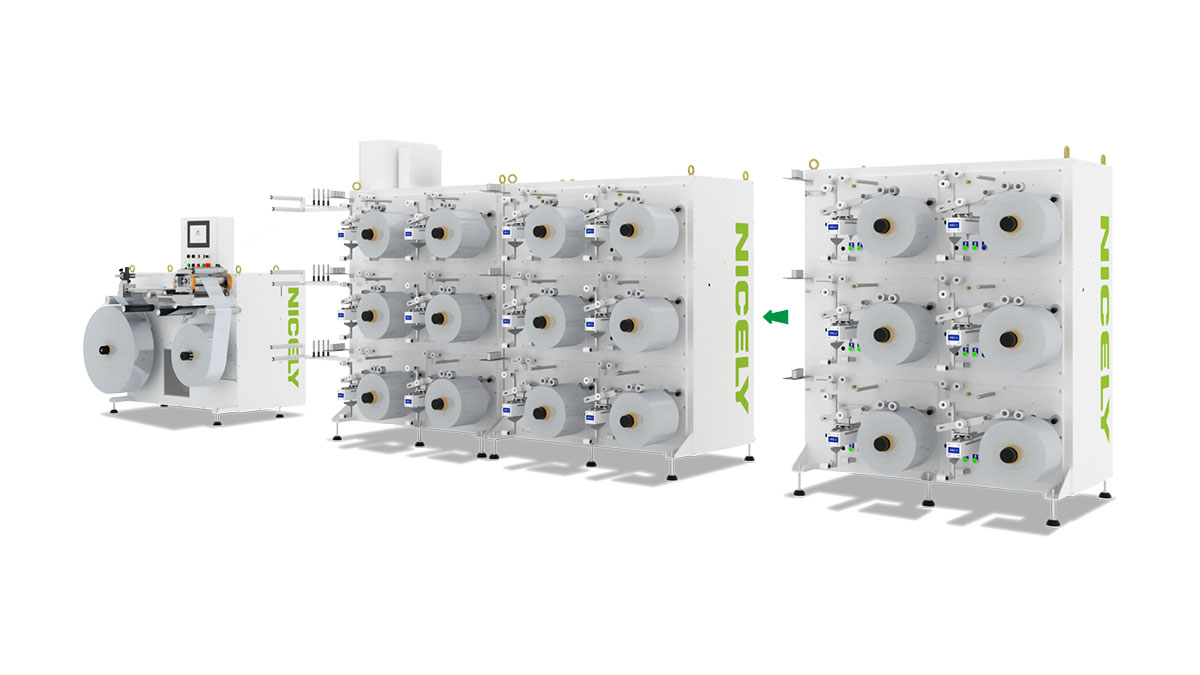
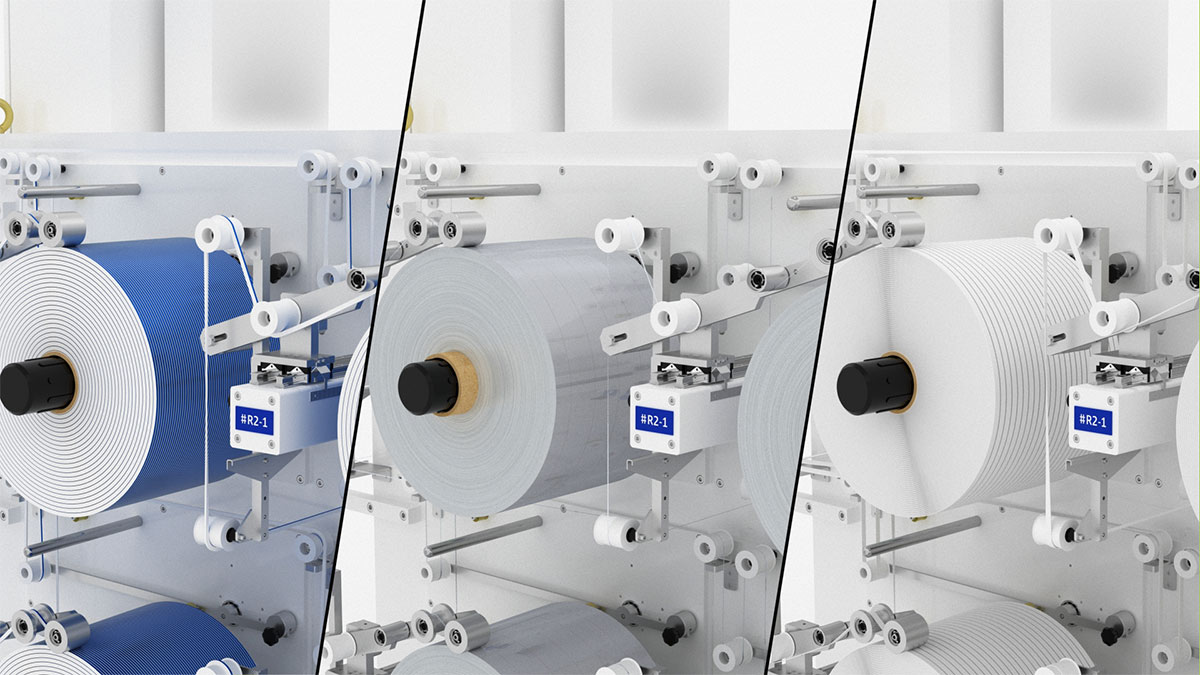
多元發送座形式可因應不同需求選擇。分切站採抽屜式刀組,大幅縮短排刀調整與停機時間。纏繞複捲站具備高度擴充彈性,可隨市場需求從 6 組擴展至 12 組、18 組甚至更多。 -
控制整合模組
標準化控制架構在不同機型之間提供一致的程式環境,簡化操作人員培訓、降低多機產線的整合成本,並提供文件化介面,便於未來新增自動化或數據採集功能。 -
新產線規劃
適合全新廠區建置與新製程導入。模組化設備架構可分階段導入、分段測試,並隨生產需求成長逐步擴充,無需全線重新試車。
營運效益
設備導入

交期縮短
標準模組備料完整,快速整合上線
未來擴充

改造成本降低
模組化架構減少拆改返工工時
資本投入

分階段投資
隨需求逐步增加產能,控制初期成本
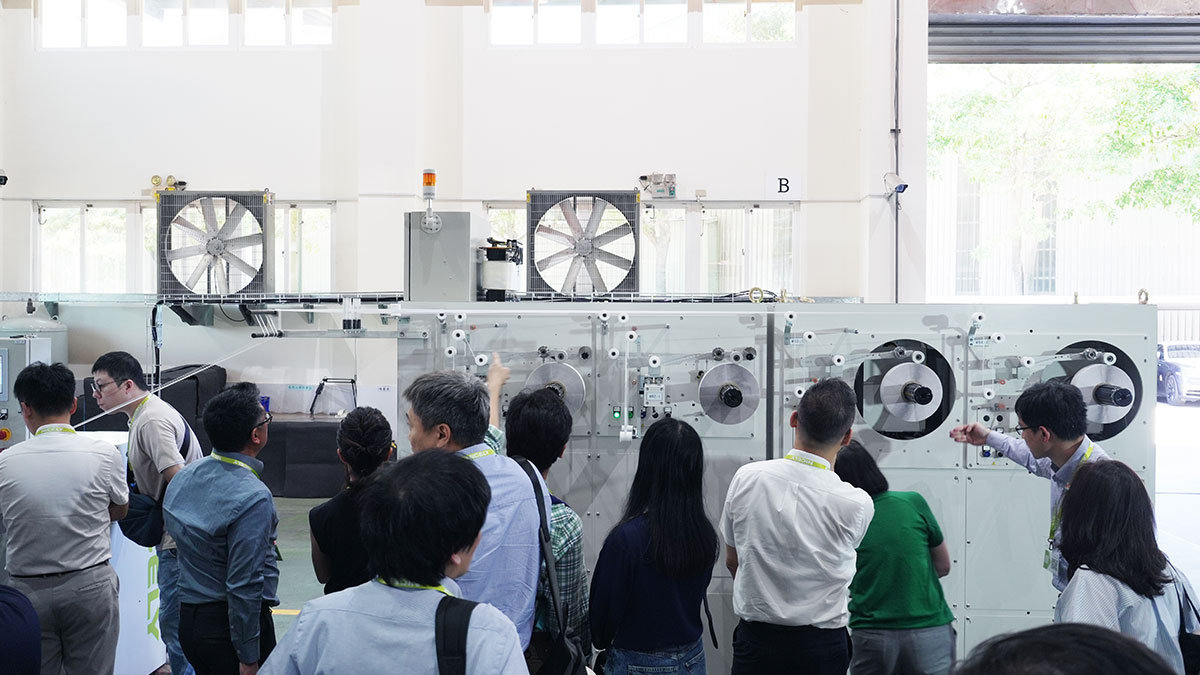
常青模組化設計思維
-
標準基礎 + 客製整合
核心模組以可靠性與交期為前提進行標準化。
客戶特定需求 : 材料處理方式、分切幅寬範圍、成品收捲形狀,可於程式設定直接呈現,無須重新設計基礎模組。 -
因應製程變化的可重配置性
隨著產品組合或分切幅寬需求演進,透過模組替換或重新定位,機台即可適應新需求,無需全線停機或結構性改裝。 -
以成長為前提的設計預留
預留安裝位置、配線管槽容量與控制 I/O 餘裕,確保未來新增模組時無需對既有機台進行大規模改裝。
「模組化設計不只是工程方法論,更是設備投資的商業策略。採用模組化設備架構的客戶,能夠降低初次採購時過度規格化的風險,並保留隨市場需求成長逐步擴充產能的彈性。」
Modular Design
Nicely provides after-sales technical services using original factory engineering — to protect your equipment investment and maximize line uptime.
Modular Equipment & System Integration
Nicely applies a modular design philosophy to slitter rewinder configuration and system integration — enabling customers to build scalable, reconfigurable production equipment architectures. Standardized functional modules shorten machine commissioning lead time, reduce future line expansion cost, and allow incremental capacity additions without full-line redesign.
Standard Functional Modules | Scalable Rewind Configuration | Control System Integration
Module Categories
-
Functional process modules
Configured to match material characteristics and process requirements: unwind with edge guide, web tension zone, slitting station (rotary or razor), trim rewind, and finished roll rewind.
Modules are assembled into a complete slitter rewinder matched to your slit width range, finished OD, and line speed. -
Rewind station modules
Unwind has several options to choose from according to the output roll formats.
Slitting station uses a cassette-type blade cartridge for fast lane changeover. Rewind station is scalable from 6 spools up to 12, 18, or beyond as demand grows. -
Control integration modules
Standardized control architecture provides a consistent programming environment across machine variants.
Simplifies operator training, reduces integration cost for multi-machine lines, and provides a documented interface for future automation or data collection additions. -
New-line planning
Suitable for greenfield factories and new process introduction.
A modular equipment architecture can be commissioned faster, tested in stages, and expanded as production demand develops — without recommissioning the full line.
Operational Impact
Commissioning
↓ Lead time
Standard modules ready for integration
Future Expansion
↓ Retrofit cost
Modular architecture reduces rework
Investment
Phased capex
Add capacity incrementally
Nicely Modular Approach
-
Standard base + custom integration
Core modules are standardized for reliability and lead time. Customer-specific requirements — material handling, slit width range, finished roll geometry — are addressed at the integration layer, not by redesigning base modules. -
Reconfigurable for process change
As product mix or slit width requirements evolve, module exchange or repositioning allows the machine to adapt — without full-line shutdown or structural modification. -
Designed for growth
Reserved mounting positions, wiring conduit capacity, and control I/O headroom mean future modules can be added without invasive rework of the existing machine structure.
"Modular design is not just an engineering methodology — it is a business model for equipment investment. Customers who adopt modular machine architecture reduce the risk of over-specifying at initial purchase and retain the flexibility to grow capacity as market demand develops."