








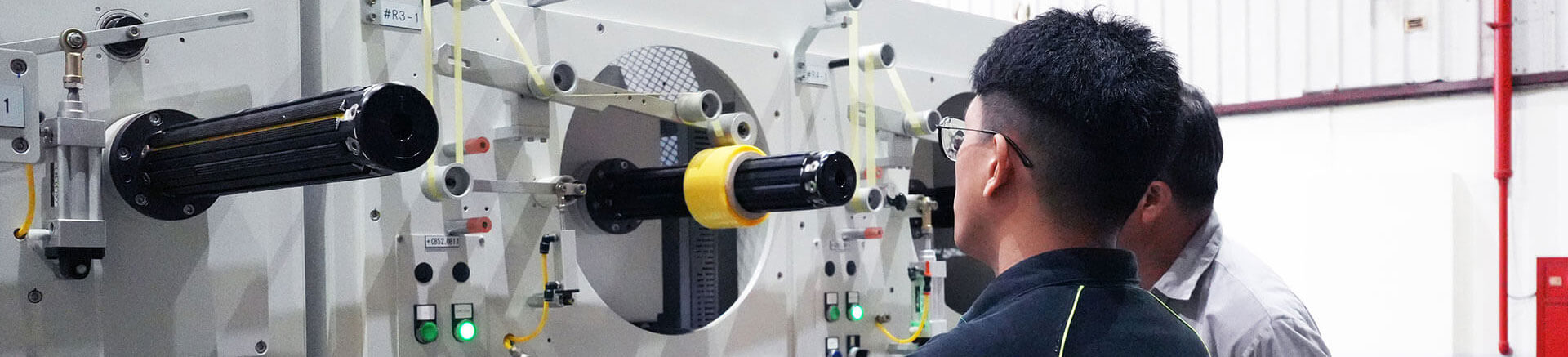
Modular Design
Nicely provides after-sales technical services using original factory engineering — to protect your equipment investment and maximize line uptime.
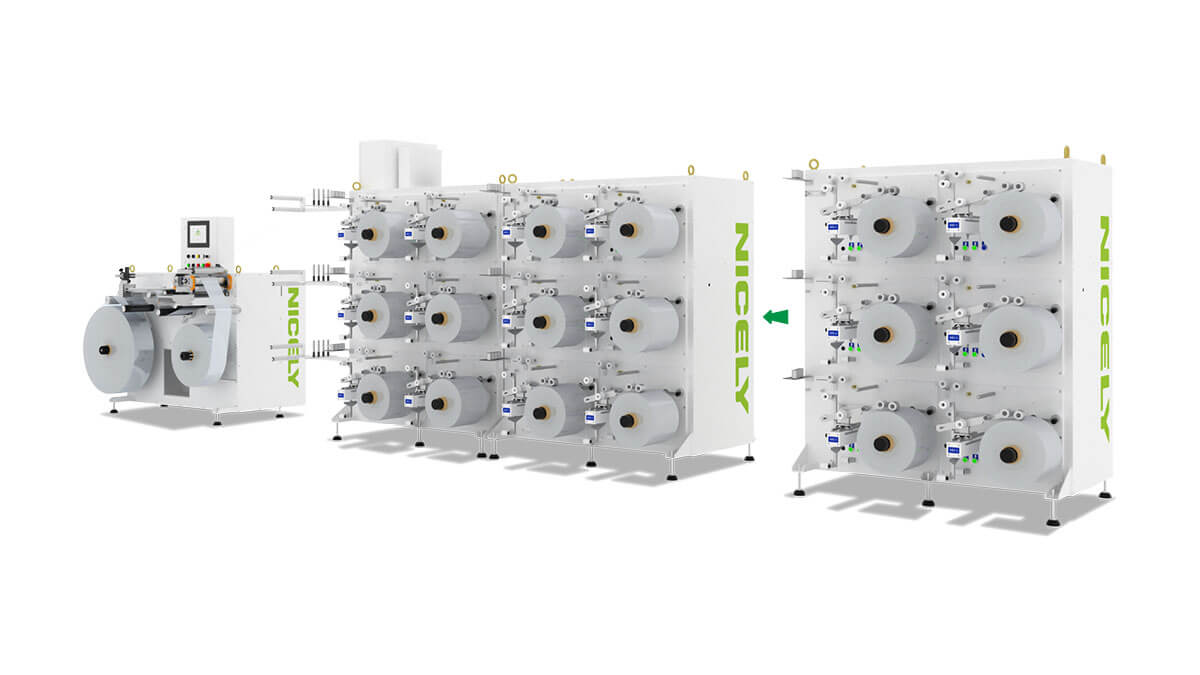
Modular Equipment & System Integration
Nicely applies a modular design philosophy to slitter rewinder configuration and system integration — enabling customers to build scalable, reconfigurable production equipment architectures. Standardized functional modules shorten machine commissioning lead time, reduce future line expansion cost, and allow incremental capacity additions without full-line redesign.
Standard Functional Modules | Scalable Rewind Configuration | Control System Integration
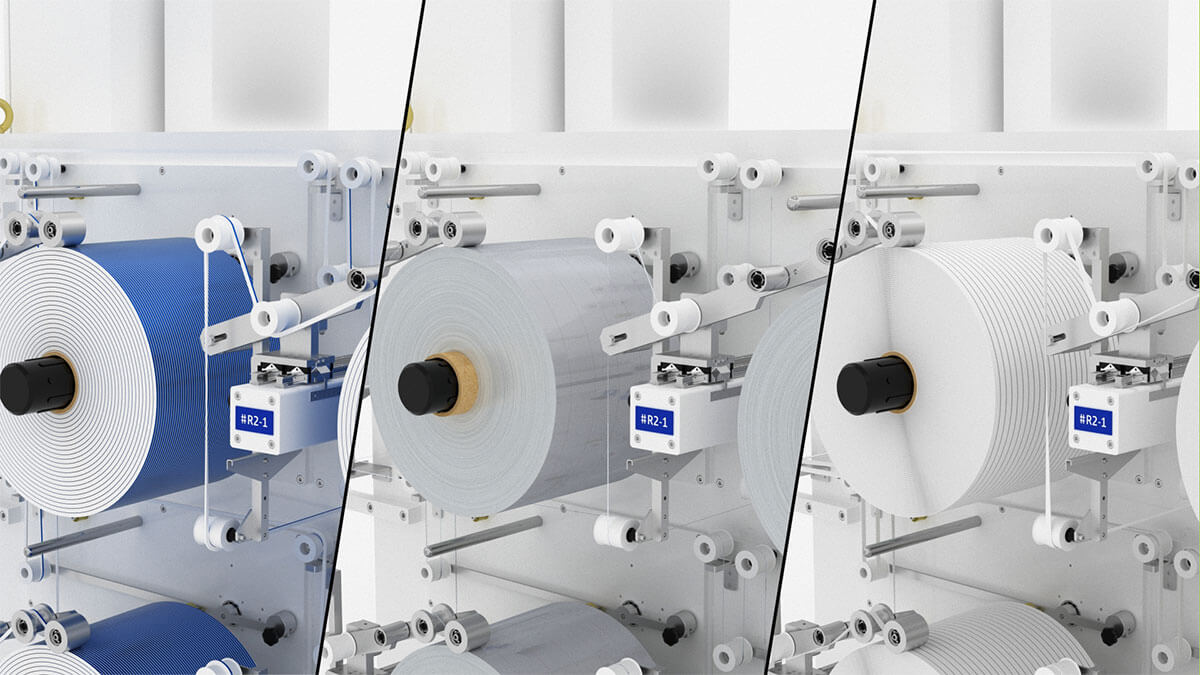
Module Categories
-
Functional process modules
Configured to match material characteristics and process requirements: unwind with edge guide, web tension zone, slitting station (rotary or razor), trim rewind, and finished roll rewind.
Modules are assembled into a complete slitter rewinder matched to your slit width range, finished OD, and line speed. -
Rewind station modules
Unwind has several options to choose from according to the output roll formats.
Slitting station uses a cassette-type blade cartridge for fast lane changeover. Rewind station is scalable from 6 spools up to 12, 18, or beyond as demand grows. -
Control integration modules
Standardized control architecture provides a consistent programming environment across machine variants.
Simplifies operator training, reduces integration cost for multi-machine lines, and provides a documented interface for future automation or data collection additions. -
New-line planning
Suitable for greenfield factories and new process introduction.
A modular equipment architecture can be commissioned faster, tested in stages, and expanded as production demand develops — without recommissioning the full line.
Operational Impact
Commissioning

↓ Lead time
Standard modules ready for integration
Future Expansion

↓ Retrofit cost
Modular architecture reduces rework
Investment

Phased capex
Add capacity incrementally
Nicely Modular Approach
-
Standard base + custom integration
Core modules are standardized for reliability and lead time. Customer-specific requirements — material handling, slit width range, finished roll geometry — are addressed at the integration layer, not by redesigning base modules. -
Reconfigurable for process change
As product mix or slit width requirements evolve, module exchange or repositioning allows the machine to adapt — without full-line shutdown or structural modification. -
Designed for growth
Reserved mounting positions, wiring conduit capacity, and control I/O headroom mean future modules can be added without invasive rework of the existing machine structure.
"Modular design is not just an engineering methodology — it is a business model for equipment investment. Customers who adopt modular machine architecture reduce the risk of over-specifying at initial purchase and retain the flexibility to grow capacity as market demand develops."