







How to Choose the Right Slitting Setup for Acrylic Foam Tape
Customer Care 2026-09-11Why Acrylic Foam Tape Slitting Needs a Material-Specific Process
Trend Background of Acrylic Foam Tape
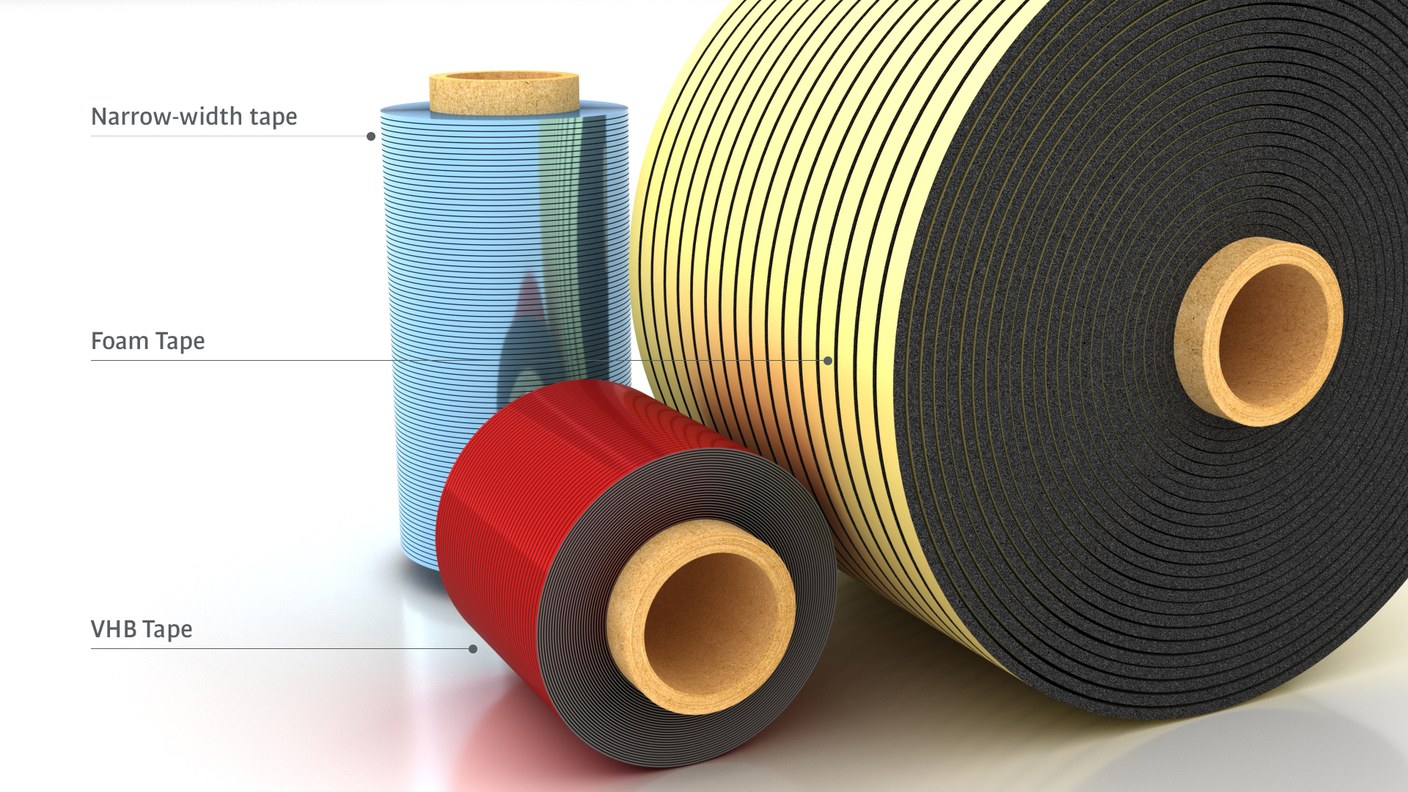
Acrylic foam tape is used for structural bonding. It is often used instead of rivets, screws, welds, or liquid adhesives in automotive, EV, solar, wind energy, and electronics applications. As these products become smaller and more precise, converters are asked to slit acrylic foam tape and foam tape into narrower widths, often moving from around 4 mm toward 3 mm or below. This makes acrylic foam tape slitting, narrow-width tape converting, and stable roll winding more important than ever.
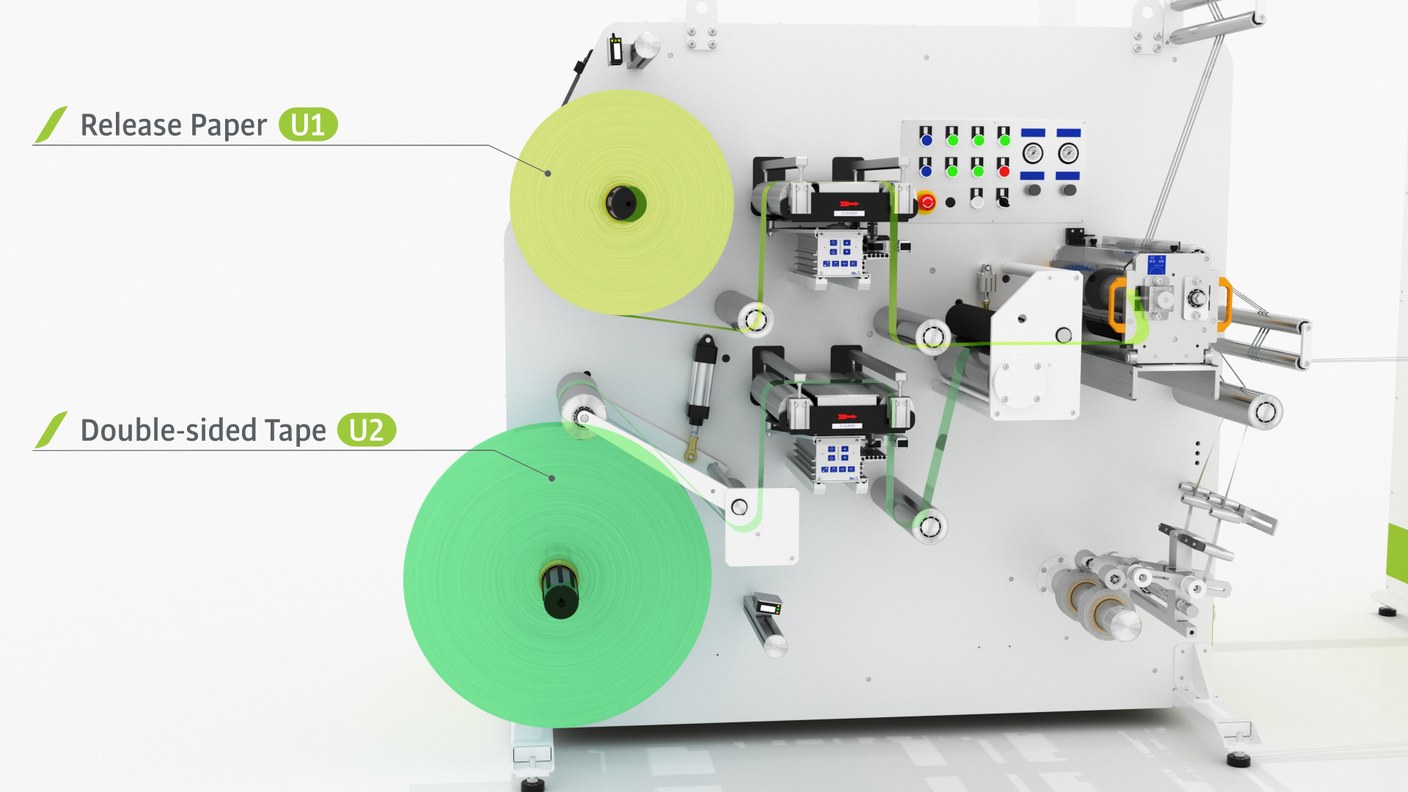
There is no universal slitting setup for foam tape because the material structure is different from one product to another. The web may be film, foam, single-sided adhesive, or double-sided adhesive. A release liner or protective layer may be included, or it may be added later. If lamination is required, the laminate may stretch or remain stable. These material choices affect the number of unwind stations, the best position for lamination, the blade setup, and the tension profile. In short, the right acrylic foam tape slitting process must match the exact material stack, not a fixed standard. If you are working out which machine family that stack belongs on, start with our overview of the seven main slitter rewinder types.
Complexity of Material Combinations
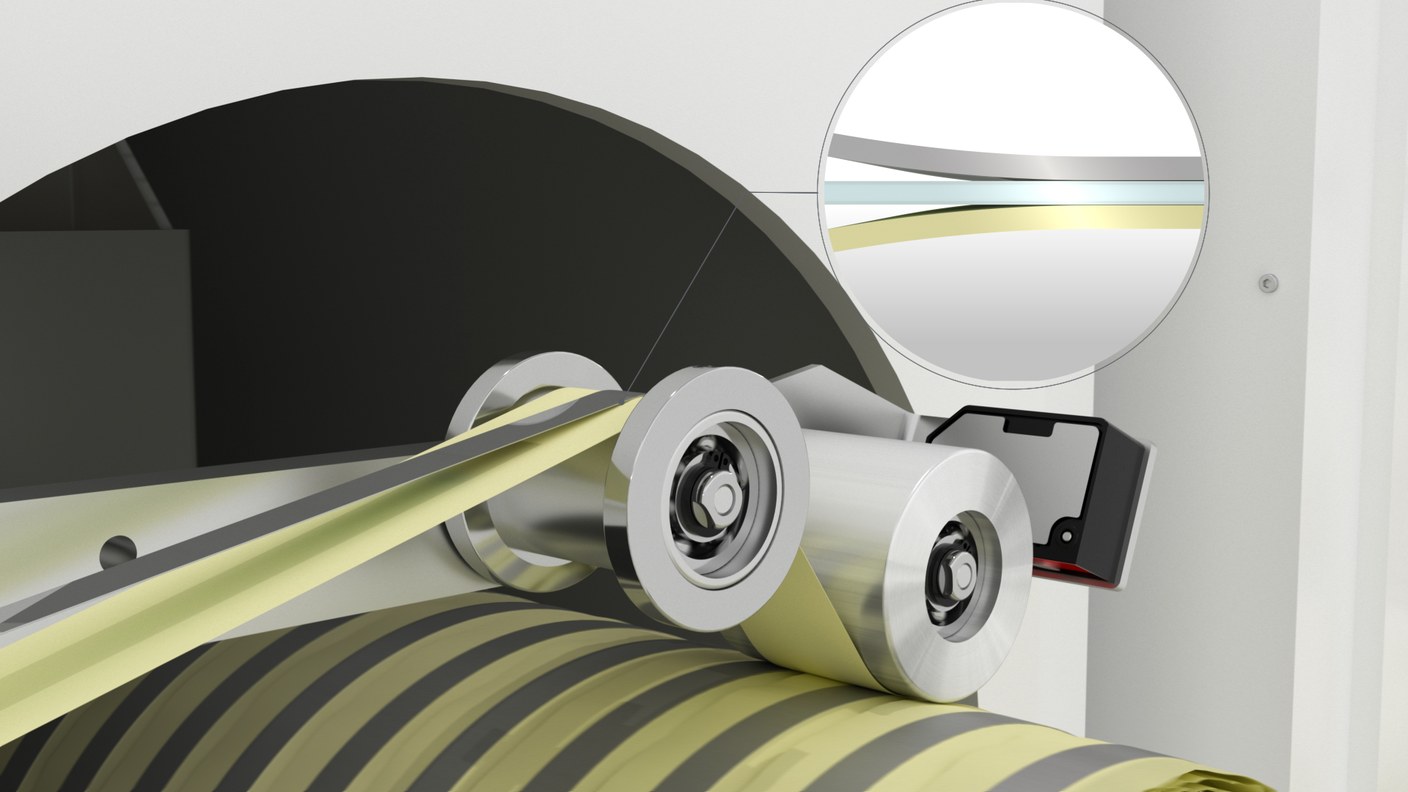
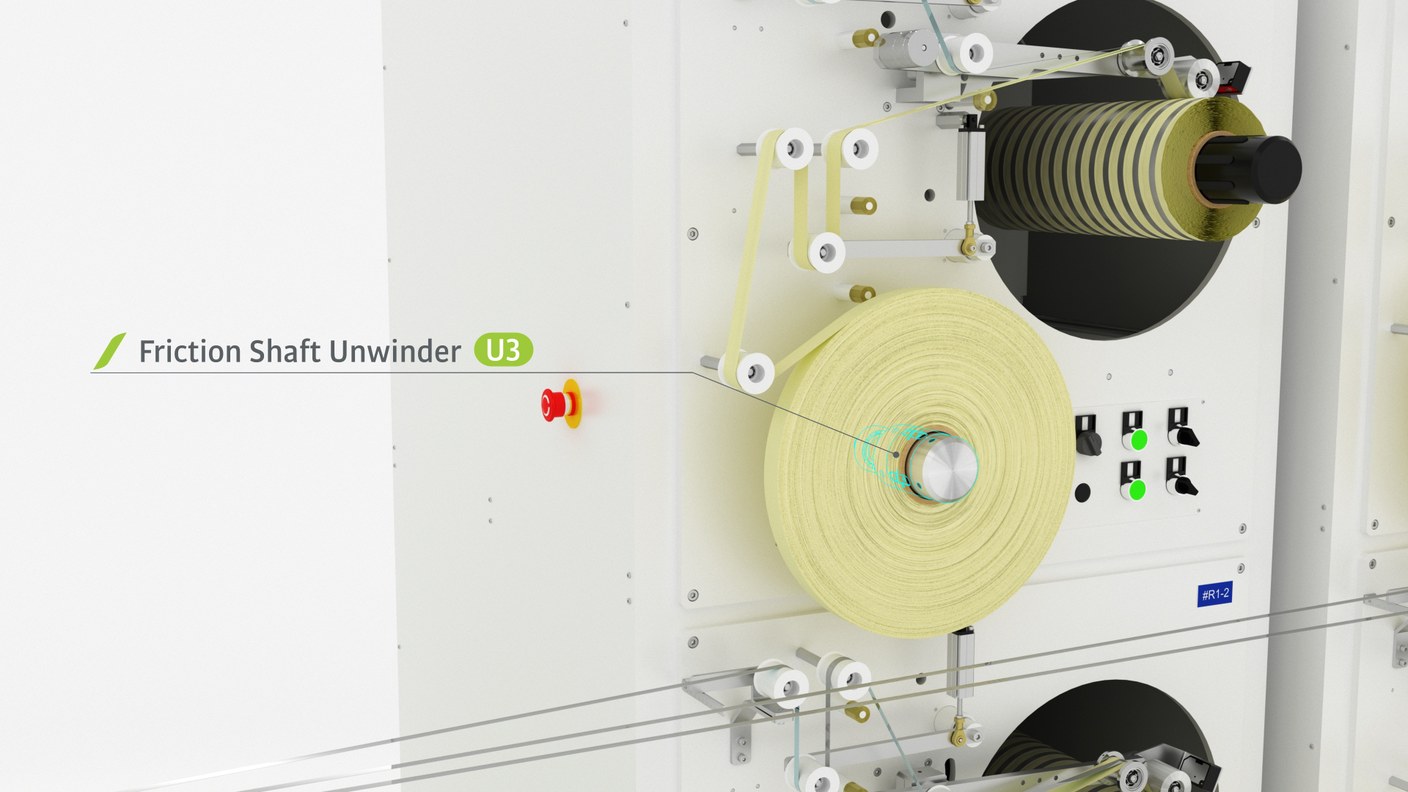
A acrylic foam tape build may need two independent material paths. The main substrate feeds from one unwind station, while the release liner or protective film feeds from another. In some products, the liner is part of the tape structure and must be laminated before slitting. In other products, the protective layer is only used to stop a narrow, tacky finished strip from blocking in the spool or sticking to each other, so it should be added after slitting and before spooling. If the sequence is wrong, the liner may be cut to the wrong width, or the finished spool may have no protection. Stretch behavior is another key factor: a stable liner can run with fixed relative tension, while a stretchable liner must be controlled based on how much the substrate is being elongated at that point in the line.
|
|
Why a Lab Spooling Slitter Is Needed
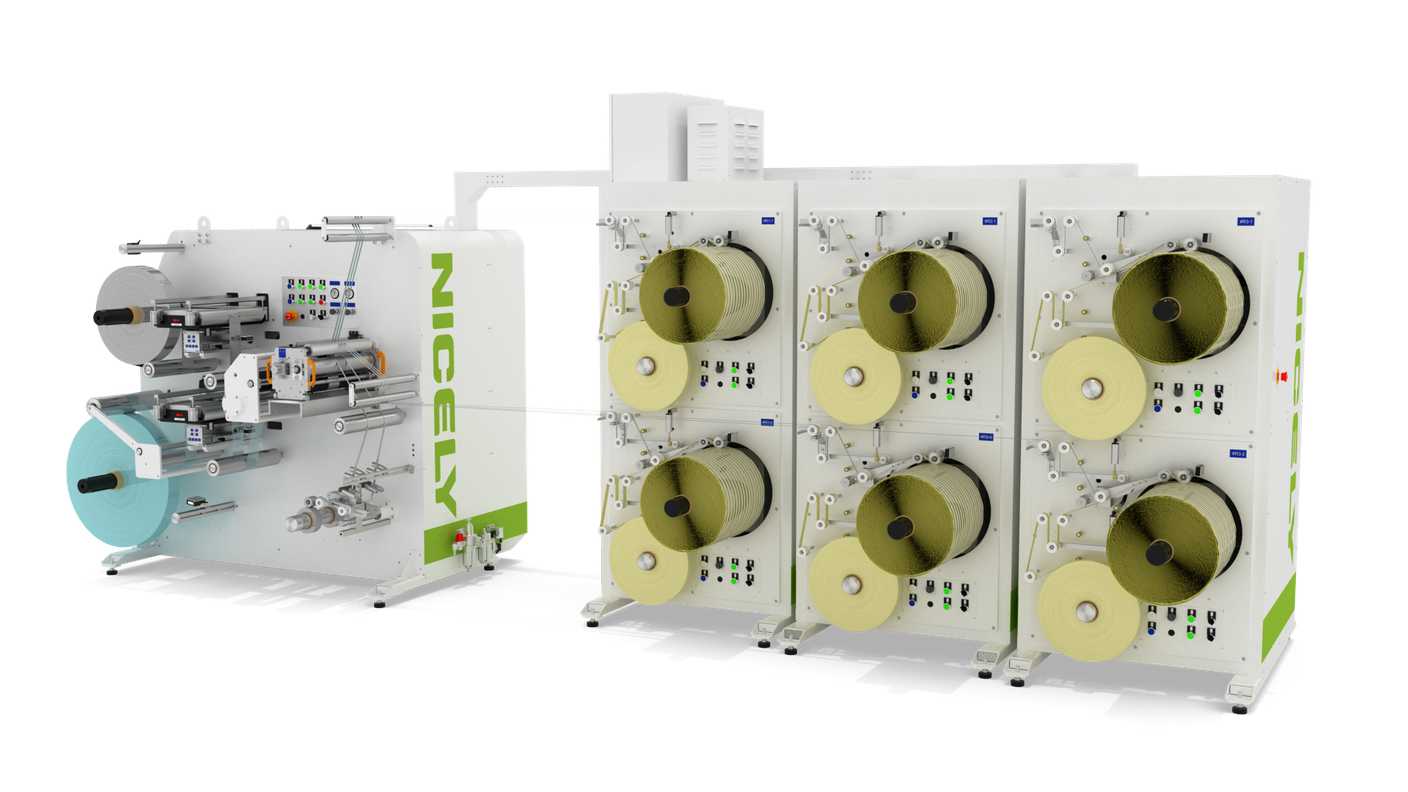
Testing all these variables on a full production line can waste material, time, and machine capacity. A lab spooling slitter (can also be used as a doctor machine) gives converters a safer starting point for acrylic foam tape converting. Instead of focusing on high output, it is designed for controlled trials: one material path, one finished spool, and adjustable unwind, lamination, and tension settings. A machine such as Nicely’s EG-RWL series can help test different liner sequences, lamination positions, blade choices, and tension profiles before the converter commits to production width and speed. After the best process is proven, the same logic can be scaled to a multi-lane production platform such as Nicely’s EG-LAS9106.
Downstream tape applicator
Automated tape applicators used in automotive and aerospace production place high demands on the finished spool. The tape must feed forward smoothly in one direction without slipping, pulling back, or changing speed during the cycle. If the spool has uneven tension or residual stretch, the dispenser may misfeed, skip, or jam. Slit width accuracy matters for the same reason: automated applicators are built around fixed tolerances, not visual judgment. A small width change that might be acceptable for hand application can still cause problems in an automated tape dispensing process.
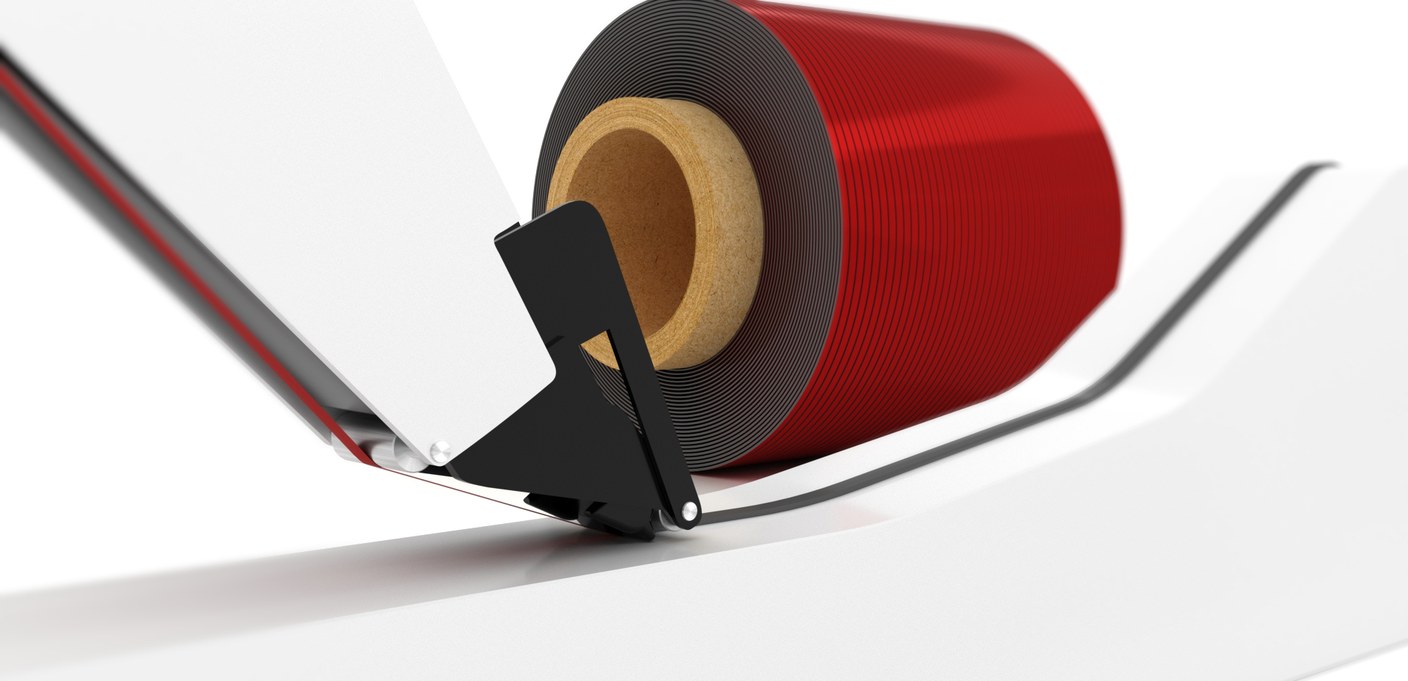
The best slitting setup for acrylic foam tape is not chosen from a standard formula. It is built from the material structure: substrate type, liner sequence, lamination point, stretch behavior, blade setup, and tension control. A flexible lab spooling slitter helps converters confirm those choices before scaling up. When the process is proven, the finished spool is more likely to keep clean edges, stable winding, accurate width, and smooth feeding into automated tape applicators.
Acrylic Foam Tape Slitting Setup Checklist
| Item | Check | Setup | Impact |
|---|---|---|---|
| Material type | Film, foam, single- or double-sided tape. | Set by thickness, tack, and stretch. | Affects blade, tension, and edge quality. |
| Liner type | Structure liner or protection liner? | Laminate before or after slitting. | Prevents wrong width or missing protection. |
| Unwind stations | Single path or dual path. | Single unwind for simple web; dual unwind for lamination. | Affects lamination and tension stability. |
| Lamination point | Before or after slitting. | Structure liner before; protection liner after. | Affects width and roll protection. |
| Target width | 4 mm, 3 mm, or narrower. | Narrow width needs stable cutting and spooling. | Affects applicator tolerance. |
| Blade type | Check thickness, tack, and deformation risk. | Test blade and cutting method. | Reduces burrs, adhesive build-up, and stringing. |
| Tension control | Check material stretch. | Fixed tension for stable web; zone control for stretchable web. | Avoids width change and residual stretch. |
| Finished roll | Manual use or automated applicator. | Control winding, edge, and release. | Reduces misfeed, skip, and jam. |