




2026: When Maintenance Becomes Uptime Strategy
Customer Care 2025-12-19
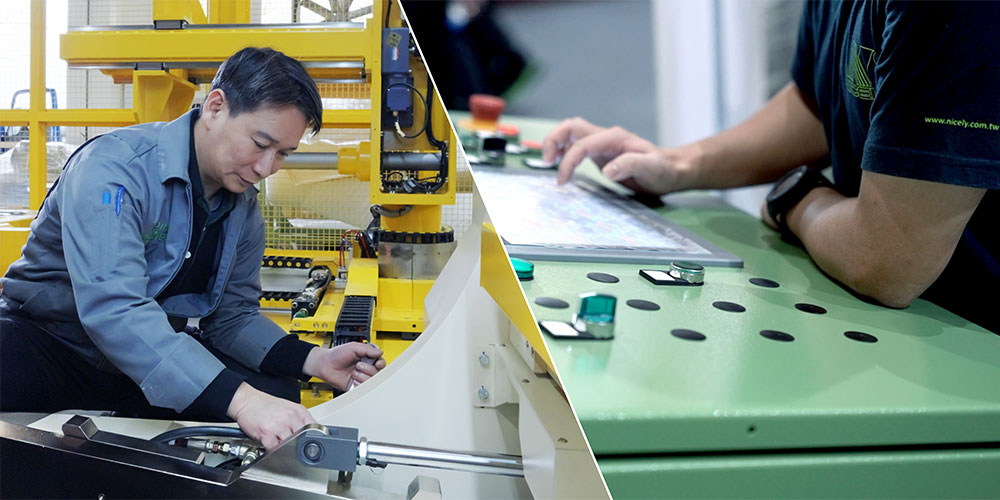
How workforce shortages are reshaping converter service models
The label, flexible packaging, and high-functional converting sectors are entering a period of workforce shortage, automation acceleration, and increasing material complexity.
In 2025 we observed stricter quality control requirements and rising high-precision converting demand. Moving into 2026, this trend continues as substrates require tighter tolerances, creating a growing reliance on maintenance capability rather than only on machine features.
This creates not just a bottleneck in productivity and quality improvement, but also directly impacts equipment investment returns.
In the past, converters could rely on experienced operators to solve issues. Today, with higher staff turnover and aging technical workforce, whenever key personnel leave, production stability immediately declines. Experience-based practices are no longer sufficient with the rise of advanced automation and new materials.
“Behind every ‘equipment problem’ lies a deeper issue of skills and maintenance capability,” says Avon Liu, Marketing Manager at Nicely Machinery.
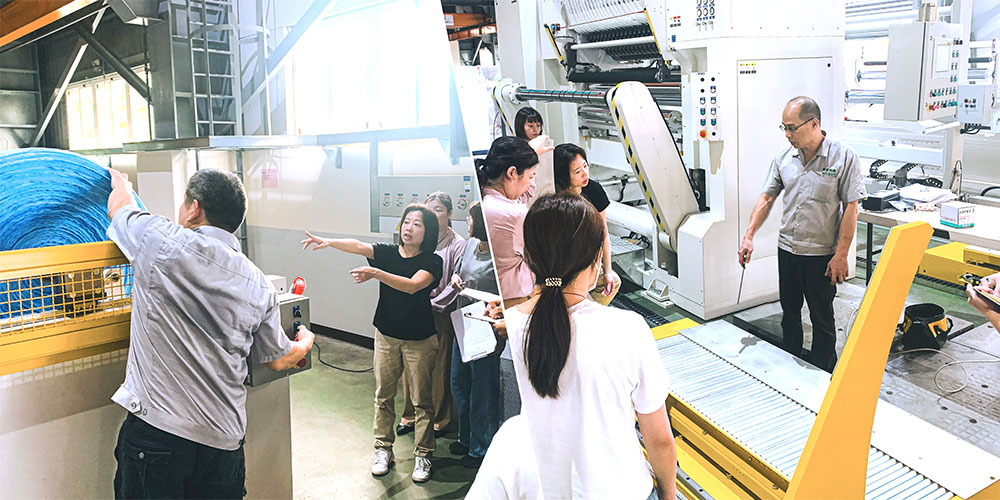
Skills Shortages Drive Maintenance Systematization
Maintenance is no longer only about replacing parts. With increased material diversity, thin-gauge substrates, and stricter quality requirements, converters need parameter databases and equipment logic—not just mechanical skills.
These shifts are amplified when:
- Material Complexity – Materials move toward high-precision and composite structures.
- Tension Sensitivity – More tension-sensitive substrates enter production.
- Performance Expectations – Customer expectations for speed and accuracy increase.
- Automation Gap – Automation grows faster than internal knowledge transfer.
Maintenance has evolved from “servicing” to ensuring uptime capability.
Maintenance Isn't Just Servicing—It's Downtime Prevention
Taiwan's converting industry has traditionally followed a "self-maintenance" model. But as materials demand greater precision, process windows in slitting, rewinding, and label converting are narrowing.
Maintenance is becoming a form of "production insurance," critical for:
- Maintaining long-term production stability.
- Preventing unplanned downtime.
- Reducing material waste and setup time.
- Extending equipment life.
As converting lines handle larger volumes and higher speeds in 2026, routine inspection becomes essential for sustained competitiveness.
Automation Improves Operation, Not Understanding
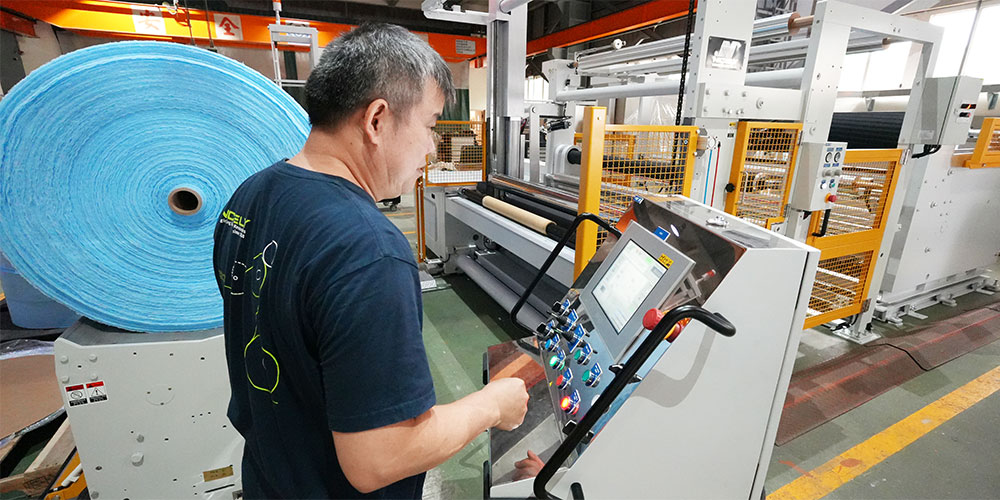
Most converters invest in automation to reduce labor dependency. The reality is – The more automated the equipment, the deeper the understanding required.
Tension control, knife positioning, and speed profiles still require process expertise. The challenge shifts from “finding operators” to “finding people who understand the machine.”
Modern maintenance must include:
- Critical component and wear part inspection.
- Control system verification.
- Operating-parameter management.
- Operator training in process logic.
From Servicing to Contracts: The Next Management Step
In 2025, many converters overseas began adopting maintenance contracts to reduce unplanned downtime, manage costs, and extend machine lifecycle. Entering 2026, this approach is increasingly relevant in Taiwan—especially where operator shortage and high-utilization production coexist.
Future Equipment Competitiveness Goes Beyond the Machine Itself
By 2026, competition in slitting and converting equipment won't center on speed or specifications, but on:
Can the production line maintain stable uptime and long-term reliability?
Converters will place more focus on:
- Scheduled inspection programs.
- Maintenance planning.
- Predictive maintenance.
- Downtime prevention.
- Equipment-life extension.
As new equipment investment slows, maintaining existing assets becomes a strategic priority.
From "Running Fast" to "Running Long"
The scarcer operating skills become, the more essential routine check-ups are.
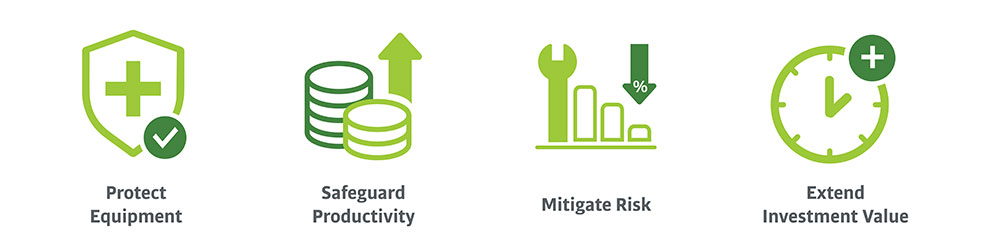
Maintenance agreements don't just protect equipment—they safeguard productivity, mitigate risk, and extend investment value.
Nicely | 2026 Equipment Maintenance Campaign
Ensuring Optimal Equipment Performance for the New Production Year
- Operational calibration – for tension systems, unwind/rewind, and slitting section.
- Replacement recommendations - for belts, blades, shafts, and pneumatic components.
- Preventive advice – provided based on actual substrate conditions.
For scheduling, contact your Nicely account representative.